famous gemstone
Showing posts with label famous gemstone. Show all posts
Pearl Blay
biography
famous gemstone
historical
royalty
Queen Marie de Medici and the Beau Sancy Diamond
Marie de Medici (1575 - 1642) was like her Medici predecessor, the notorious and murderous Catherine de Medici, in that they both came from the fabulously wealthy Italian banking family and both became Regent Queens of France. A stubborn and meddlesome woman, she nonetheless had some artistic aspirations. Her total lack of political acumen and her endless intriguing led to her downfall.


Pearl Blay
biography
famous gemstone
historical
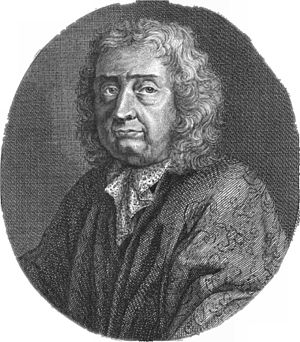 Image via Wikipedia
Jean Baptiste Tavernier (1605-1689) was an extraordinary French traveler and gemstone merchant who spent forty years away from home, trading in gemstones mostly in faraway India.
He goes down in history as the man who brought the precursor of the Hope Diamond called the Tavernier Blue back to Europe. He also left for posterity a remarkable record of his voyages and his diamond expertise which was later translated as Travels in India.
Jean-Baptiste Tavernier and the Hope Diamond
 Image via Wikipedia
Jean Baptiste Tavernier (1605-1689) was an extraordinary French traveler and gemstone merchant who spent forty years away from home, trading in gemstones mostly in faraway India.
He goes down in history as the man who brought the precursor of the Hope Diamond called the Tavernier Blue back to Europe. He also left for posterity a remarkable record of his voyages and his diamond expertise which was later translated as Travels in India.
Pearl Blay
biography
famous gemstone
historical
 Virginia- born Nancy Langhorne Astor (1879-1964) came from humble stock but grew up to become a Viscountess when she married Waldorf Astor, 2nd Viscount Astor (1879-1952). This beautiful woman went on to make history as the first female Member of Parliament in the British House of Commons.
Her Southern Confederate family became impoverished after the American Civil War. Her rough, tough, hard-drinking father, Chiswell Langhorne struggled to provide for his family for many years. It wasn't until Nancy was in her early teens that he finally struck it rich in the railroad business.
Lady Nancy Astor and the Sancy Diamond

Her Southern Confederate family became impoverished after the American Civil War. Her rough, tough, hard-drinking father, Chiswell Langhorne struggled to provide for his family for many years. It wasn't until Nancy was in her early teens that he finally struck it rich in the railroad business.
Pearl Blay
biography
famous gemstone
gemstone
historical
jewelry
royalty
 The tabloid press didn't exist back in the 19th century, but newspaper readers still avidly followed the exploits of Lola Montez (1818 -1861) as she lied and blazed her way through 3 continents.
An exotic dancer, adventuress, courtesan, sometime mistress to King Ludwig I of Bavaria, Lola reinvented herself so thoroughly, she would put today's chameleon celebrities to shame. Along the way, she amassed and parted with many jewelry gifts.
Lola Montez's Jewels

An exotic dancer, adventuress, courtesan, sometime mistress to King Ludwig I of Bavaria, Lola reinvented herself so thoroughly, she would put today's chameleon celebrities to shame. Along the way, she amassed and parted with many jewelry gifts.
Pearl Blay
famous gemstone
gem facts and fun
historical
jewelry
Sapphire Mining in Sri Lanka
Sri Lanka (Ceylon) is a large island off the southern tip of India. The island is actually briolette shaped which suits this gemstone rich country. Sri Lanka itself means "magnificent island". The Indians call it Ratnadeep or Gem Island. Both are well deserved for it is truly a treasure island.


The flawless Sri Lankan Logan Sapphire
Second largest blue sapphire (423 carats) in the world
Smithsonian Institute
Pearl Blay
biography
famous gemstone
historical
royalty
 Catherine de Medici (1519-1589) was born an Italian commoner but became the Queen Consort of France's Henry II. She was a remarkable woman but vilified by many as an evil one.
Known as the Dark or Black Queen, the Maggot from Italy's Tomb and even Madame La Serpente, Catherine fought like a tigress for her cubs and did whatever it took to preserve her children's Valois dynasty legacy. She endured numerous personal tragedies and setbacks which would have crushed weaker individuals.
Catherine de Medici : The Dark Queen's Jewels

Known as the Dark or Black Queen, the Maggot from Italy's Tomb and even Madame La Serpente, Catherine fought like a tigress for her cubs and did whatever it took to preserve her children's Valois dynasty legacy. She endured numerous personal tragedies and setbacks which would have crushed weaker individuals.
Pearl Blay
archaeology
auction
biography
famous gemstone
historical
royalty
science
 This spectacular historic jewel was recently auctioned. It once belonged to Catherine the Great (1729-1796) one of Russia's most colorful rulers. (You can read the bejeweled mini-biography I wrote about her for more juicy details.) Her emerald and diamond brooch sold for $1.65 million, well above the pre-auction estimate of $1- 1.5 million. A worthy price for one of the most outstanding gemstones in the world.
Catherine the Great's Colombian Emerald and Diamond Brooch

Pearl Blay
biography
famous gemstone
historical
necklace
royalty
 Murder. Sex. Scandal. There was plenty of spice in the life of the trice married Mary, Queen of Scots (1542-1587). If she had lived in our time, she would have been a regular in the tabloid press, constantly hounded by the paparazzi. This enigmatic woman fascinated people back then and her story still enthralls today. Queen of Scotland from her infancy and raised to become Queen of France, she also yearned to be Queen of England if Queen Elizabeth I (1533-1603), her cousin, were to die before her.
Mary, Queen of Scots' Jewels

Pearl Blay
famous gemstone
museum
Feast Your Eyes on the Rarely Seen Wittelsbach-Graff Diamond
If you are headed anywhere near the Smithsonian's National Museum of Natural History from now until August, there is a treat in store if you care to visit. Exhibited next to the famous Hope diamond,the museum's star gem, is the elusive Wittelsbach-Graff diamond. It's not been seen in public for over 50 years!


Pearl Blay
biography
famous gemstone
gemstone
historical
movie
royalty
tiara
 I'm a sucker for historical biopics as most of you already suspect. For anglophiles like me, a wonderful treat is at hand - a new historical and romantic biopic, the Young Queen Victoria currently in limited release in North America.
Watch the trailer and see a little of why Debbie (my friend and co-instructor) and I enjoyed the movie - authentic sets including Westminster Abbey, jewelry, period costumes and excellent acting. BTW, the Duchess of York was a producer. Princess Beatrice had a small role as one of the ladies in the coronation procession early in the film.
Queen Victoria's Jewels
I'm a sucker for historical biopics as most of you already suspect. For anglophiles like me, a wonderful treat is at hand - a new historical and romantic biopic, the Young Queen Victoria currently in limited release in North America.Watch the trailer and see a little of why Debbie (my friend and co-instructor) and I enjoyed the movie - authentic sets including Westminster Abbey, jewelry, period costumes and excellent acting. BTW, the Duchess of York was a producer. Princess Beatrice had a small role as one of the ladies in the coronation procession early in the film.
Pearl Blay
famous gemstone
historical
museum
necklace
royalty
Maharaja Exhibition: The Splendor of Indian Royal Courts
British Raj in India Part 1 of 2
If you live anywhere close to London, England or are visiting, the Victoria and Albert Museum has a fantastic Maharaja exhibition: The Splendor of Indian Royal Courts on right now until January 17, 2010. It will then go to Munich, Germany from February to May. Why am I so enthusiastic? If you are talking about royal splendor, unimaginable wealth and oodles of gemstones and jewelry, you cannot beat the Maharajas and their courts in their heyday.

If you live anywhere close to London, England or are visiting, the Victoria and Albert Museum has a fantastic Maharaja exhibition: The Splendor of Indian Royal Courts on right now until January 17, 2010. It will then go to Munich, Germany from February to May. Why am I so enthusiastic? If you are talking about royal splendor, unimaginable wealth and oodles of gemstones and jewelry, you cannot beat the Maharajas and their courts in their heyday.

Procession of Ram Singh II of Kota c.1850 watercolor
Pearl Blay
famous gemstone
Embracing Hope is the new Hope Diamond setting
Hat tip to Stephanie (Crystal Allure Designs) for giving me the boot to get going with this update! Remember the post I wrote about Harry Winston and the 50th anniversary of the Hope Diamond at the Smithsonian? Well, the votes are in. Embracing Hope is the winning modern setting design to showcase the Hope. It garnered some 45,000 out of 110,000 votes cast.


Pearl Blay
biography
famous gemstone
historical
museum
news stories
 The Smithsonian is celebrating the 50th anniversary of its acquisition of the legendary Hope Diamond in a novel way - letting the public see it in a modern (but temporary) setting. Not only that, until September 7, everyone is invited to cast their vote for one of three possible designs (the link for actual voting doesn't seem to be working but you can see the new designs). They are also planning a documentary "Mystery of the Hope Diamond" for the spring.
The settings were naturally designed by Harry Winston jewelers because the person who donated the Hope Diamond to the Smithsonian was the flamboyant and gemstone obsessed Harry Winston (1896-1978) himself.
 He was the third son of Ukrainian immigrants who owned a modest jewelry and repair store in New York. A high school dropout with no formal training in gemology, Harry Winston learned his trade the hard way. In addition he possessed the passion, a keen aesthetic sense, showmanship and an intuitive feel for the gemstones he so loved.
He often told the story of how, at age 12, he bought a 25 cent green stone ring from a pawn shop. After a good cleaning, his astonished father sold the 2 carat emerald for $800 a couple of days later. He grew up to be a wonderful storyteller sharing tales about gemstones, rulers and the celebrities he knew. He said, "I love the diamond business. It's a Cinderella world. It has everything! People! Drama! Romance! Excitement!".
During his career he often purchased estate jewelry from the rich and famous. He successfully outbid his rivals by simply offering more money (usually works) and by appraising much more quickly than they did. His philosophy was simple - "Always buy the stones, never the mounts." He had an uncanny ability to see each gemstone's potential beyond the sometimes outdated or unattractive settings they were in.
One early acquisition was the estate jewelry of Arabella Huntington, the wife of the railroad magnate, Collis P. Huntington. She spent over a million dollars on her famous 60 inch pearl necklace which Harry Winston later divided into pearl necklaces for "at least two dozen women" around the world.
His obsession about collecting as many of the world's legendary diamonds as he could fulfilled his father's prophecy, "Someday your jewels will possess you and master you." They certainly loomed large in his life as his wife discovered. Harry dearly loved Edna who was his confidant and model but diamonds were his mistresses. Edna sighed, " Harry just can't forget a diamond once he's made up his mind he wants it."
Harry Winston' s historic jewel collection was to become the second largest after the British Royal Family's according to Life Magazine in 1952. This list here documents of some of the 60 odd major gemstones which passed through his hands. Pictures of a few of these legendary gemstones can be seen here.

Harry Winston bought the Hope from the estate of heiress Evalyn Walsh McLean. The famous flawless blue diamond originally from India, made him both happy and sad. He was elated to finally own the stone but the last recutting the gemstone endured sometime in the past 200 years made it slightly lopsided. It affected its symmetry and its ability to refract light or sparkle and that bothered him.
Harry said, "A great diamond should live, it should talk to you." I wonder if the gemstone did for he boldly made the decision to slightly recut it at the culet (bottom facet). It was a small change but we're talking about a historic gemstone here! He also never believed in the curse of the Hope diamond - there are a number of gemstones with supposedly bad karma (see my post on the "cursed' Black Orlov). Instead, the Hope brought him fame, customers and plenty of publicity. But ever the showman, he got his PR people to embellish on the curse!
For a number of years, the Hope and his other jewels toured as the Court of Jewels raising a lot of money for charity and indirectly publicity for his store. He also generously lent out the Hope for several years after the Court of Jewels got too expensive to do.
Harry Winston never did sell the Hope. He said, "I could have sold it many times for a profit but I don't know what its value is." There is no other gemstone to compare it to. He decided to donate it to the Smithsonian in 1958 as payback for a country that had been good to him and with a hope that other rich Americans would be inspired to donate their own magnificent jewels. His secret ambition was apparently to make the Smithsonian's then very modest gem collection rival that of Britain's housed in the Tower of London.
Harry had had the Hope insured for $1,000,000 dollars with Lloyd's of London. But other than that, it cost $3.35 to register the Hope package, $2.44 in first class stamps and a surcharge of $139.50 for person-person handling to send this diamond to the Smithsonian by US mail!
My favorite Harry Winston quotation is worth remembering, "People will stare. Make it worth their while." Got it.
Related Posts
Madame de Pompadour's Jewels
Empress Eugenie's Diamond Obsession
References
Marian Fowler :Hope: Adventures of a Diamond
Wikipedia : Harry Winston
Publicity picture of Harry Winston by Alfred Eisenstaedt. Picture source
______________________________
Original Post by THE BEADING GEM
Jewelry Making Tips - Jewelry Business Tips


Harry Winston and the Hope Diamond's 50th anniversary at the Smithsonian
 The Smithsonian is celebrating the 50th anniversary of its acquisition of the legendary Hope Diamond in a novel way - letting the public see it in a modern (but temporary) setting. Not only that, until September 7, everyone is invited to cast their vote for one of three possible designs (the link for actual voting doesn't seem to be working but you can see the new designs). They are also planning a documentary "Mystery of the Hope Diamond" for the spring.
The settings were naturally designed by Harry Winston jewelers because the person who donated the Hope Diamond to the Smithsonian was the flamboyant and gemstone obsessed Harry Winston (1896-1978) himself.
 He was the third son of Ukrainian immigrants who owned a modest jewelry and repair store in New York. A high school dropout with no formal training in gemology, Harry Winston learned his trade the hard way. In addition he possessed the passion, a keen aesthetic sense, showmanship and an intuitive feel for the gemstones he so loved.
He often told the story of how, at age 12, he bought a 25 cent green stone ring from a pawn shop. After a good cleaning, his astonished father sold the 2 carat emerald for $800 a couple of days later. He grew up to be a wonderful storyteller sharing tales about gemstones, rulers and the celebrities he knew. He said, "I love the diamond business. It's a Cinderella world. It has everything! People! Drama! Romance! Excitement!".
During his career he often purchased estate jewelry from the rich and famous. He successfully outbid his rivals by simply offering more money (usually works) and by appraising much more quickly than they did. His philosophy was simple - "Always buy the stones, never the mounts." He had an uncanny ability to see each gemstone's potential beyond the sometimes outdated or unattractive settings they were in.
One early acquisition was the estate jewelry of Arabella Huntington, the wife of the railroad magnate, Collis P. Huntington. She spent over a million dollars on her famous 60 inch pearl necklace which Harry Winston later divided into pearl necklaces for "at least two dozen women" around the world.
His obsession about collecting as many of the world's legendary diamonds as he could fulfilled his father's prophecy, "Someday your jewels will possess you and master you." They certainly loomed large in his life as his wife discovered. Harry dearly loved Edna who was his confidant and model but diamonds were his mistresses. Edna sighed, " Harry just can't forget a diamond once he's made up his mind he wants it."
Harry Winston' s historic jewel collection was to become the second largest after the British Royal Family's according to Life Magazine in 1952. This list here documents of some of the 60 odd major gemstones which passed through his hands. Pictures of a few of these legendary gemstones can be seen here.

Image via Wikipedia

Harry Winston bought the Hope from the estate of heiress Evalyn Walsh McLean. The famous flawless blue diamond originally from India, made him both happy and sad. He was elated to finally own the stone but the last recutting the gemstone endured sometime in the past 200 years made it slightly lopsided. It affected its symmetry and its ability to refract light or sparkle and that bothered him.
Harry said, "A great diamond should live, it should talk to you." I wonder if the gemstone did for he boldly made the decision to slightly recut it at the culet (bottom facet). It was a small change but we're talking about a historic gemstone here! He also never believed in the curse of the Hope diamond - there are a number of gemstones with supposedly bad karma (see my post on the "cursed' Black Orlov). Instead, the Hope brought him fame, customers and plenty of publicity. But ever the showman, he got his PR people to embellish on the curse!
For a number of years, the Hope and his other jewels toured as the Court of Jewels raising a lot of money for charity and indirectly publicity for his store. He also generously lent out the Hope for several years after the Court of Jewels got too expensive to do.
Harry Winston never did sell the Hope. He said, "I could have sold it many times for a profit but I don't know what its value is." There is no other gemstone to compare it to. He decided to donate it to the Smithsonian in 1958 as payback for a country that had been good to him and with a hope that other rich Americans would be inspired to donate their own magnificent jewels. His secret ambition was apparently to make the Smithsonian's then very modest gem collection rival that of Britain's housed in the Tower of London.
Harry had had the Hope insured for $1,000,000 dollars with Lloyd's of London. But other than that, it cost $3.35 to register the Hope package, $2.44 in first class stamps and a surcharge of $139.50 for person-person handling to send this diamond to the Smithsonian by US mail!
My favorite Harry Winston quotation is worth remembering, "People will stare. Make it worth their while." Got it.
Related Posts
Madame de Pompadour's Jewels
Empress Eugenie's Diamond Obsession
References
Marian Fowler :Hope: Adventures of a Diamond
Wikipedia : Harry Winston
Publicity picture of Harry Winston by Alfred Eisenstaedt. Picture source
______________________________
Original Post by THE BEADING GEM
Jewelry Making Tips - Jewelry Business Tips
Pearl Blay
biography
famous gemstone
gemstone
historical


Of all the royal mistresses in history, arguably the most powerful and ablest was Madame de Pompadour. She was the maîtresse en titre (official mistress) of Louis XV of France and the power behind the throne for 19 years. Heaven smiled when she was born for Jeanne Antoinette Poisson grew up to be beautiful, clever, witty, refined and multi-talented - she could sing, dance act, play the clavichord and was artistically inclined. One courtier said, "Everything about her was rounded, including all her gestures." No wonder she captivated Louis.
She was from a humble background. Her mother believed a fortune teller who told her when Jeanne was 9, that her daughter would one day be the mistress of a king. It was to be a self-fulfilling prophecy. She groomed Jeanne to be skilled in social accomplishments - 'to be a morsel fit for a king.' One contemporary who had a dim view of her mothering skills remarked acidly, "She (Jeanne) has been taught everything but morals, which would have stood in her way."
Married at 19 to a wealthy young man who adored her, Jeanne was not content so she plotted for her future. As a commoner, Jeanne would never have met royalty. So she learnt how to drive a phaeton and made sure she "accidentally" got in the way of Louis' hunting parties. Then they finally met when she managed to get an invitation to a costume ball and prettily dropped her lace hanky in front of the king. Jeanne came just in time as he had run out of mistresses. To his credit, he remained faithful to his plain queen until she got tired of being constantly pregnant. The queen started to use various Saint's days as excuses to avoid her conjugal duties. Louis just about lost it when she started to dredge up really obscure saints. Then he cotton on to 4 ugly Mailly-Nesle sisters, one after the other until he ran out of sisters. So Jeanne saved this lazy man the hassle of looking for another mistress.
Louis was besotted with Jeanne. He was putty in her hands for the rest of her life - granting her a title Marquise de Pompadour, riches, her every wish to vanquish jealous rivals and even the behind the scenes control of the country. Louis was handsome but timid and indecisive. He needed her because he couldn't cope with ruling any nation much less one already in deep financial trouble. Frederick the Great of Prussia described Louis as "a good man whose only fault was that he was king." Louis needed constant distractions so Jeanne arranged all manner of entertainment for him, spending oodles of money in the process.
She learnt to read his every mood, planned plays, organised social events, bought chateaus one after another and decorated them with her favored style we now call Rococo. Her shop till you drop habits included porcelains which were her lifelong favorites. Some of the whims to humor Louis were extremely extravagant. She once filled the garden beds of one of her chateaus with porcelain flowers because she couldn't get real blooms in December. No wonder the overtaxed and starving French peasantry grew bitterly resentful.
She and Louis spent many happy hours planning the interior decor of her chateaus and "playing" with the many famous gemstones in the royal collection. Unlike her successor, (see my past post on Madam Du Barry's Missing Jewelry), Madame de Pompadour was not really fond of jewels for herself. She owned fine pieces including a necklace laden with 547 diamonds but twice gave all her baubles to the French treasury to help out during war time. But she did encourage Louis to design a special insignia of his own, the Order of the Golden Fleece. It featured a huge spinel carved into a dragon and the legendary Hope Diamond (shown here in its modern setting).

The Palace of Versailles was a snake pit of intrigue. Her power over the king meant Madame de Pompadour had many enemies. She could not afford to let down her guard not for one moment. That meant an iron control over her own needs and emotions. When her only surviving child from her first marriage died, followed soon after by her father, she hid her heartbreak and was still all smiles and gaiety for Louis. She made sure there was never a dull or unhappy moment for Louis.

She always screened his visitors and appointments which greatly angered many people- from foreign kings to ambitious courtiers. She even ran the army during the disastrous (for France) Seven Years' War with Britain and took the blame for the country's loss of colonial power in North America. This was why Canada came under British control.
It's no wonder she was frequently lampooned with "poisonnades", vicious (and anonymous) little poems which mocked her humble origins and her family name Poisson (fish in French). The "Fisher's daughter" managed to ignore most but the one which greatly upset her was the poissonade which revealed her terrible secret. She suffered from a bad case of leukorrhea, a purulent vaginal discharge sometimes called "whites" most likely due to infection after the delivery of her daughter.
Privately, the servants whispered, "The royal stallion and his fairy sprite were badly mismatched." For all her talents, she was actually a failure in bed, a disastrous consequence for a mistress. She was frigid so she resorted to strange aphrodisiac diets living on celery, truffles and vanilla at one point. She was also physically fragile but she struggled through crippling migraines, insomnia, a weak heart and later tuberculosis to make sure she kept her place. Eventually the "whites" and her poor health put an end to her bed duty.
There is a lot to be said for her clever hold on Louis because she remained his friend and confidante long after she stopped being a lover. She even went on to pimp for him by setting up a royal brothel.
She once told a friend "It's a terrible life I lead. I've scarcely a moment to myself." You've got to wonder if it was really all worth it. Realising her ambition to be a king's mistress ultimately drove her to an early grave. Stricken with tuberculosis, she grew very thin but bore her final illness with great courage.
She died when she was just 42. In her will, she left her carved gemstone collection to Louis. There was very little money left for unlike her contemporaries, she always paid artisans and contractors on time. Louis mourned his loss deeply. He was forbidden by etiquette to attend her funeral. So he stood outside on a balcony to watch the funeral procession go by and wept. It was raining yet he had no coat or hat on. He said, with tears streaming down his face "They are the only tribute I can offer her" - the only person who kept the world at bay for him.
Hope Diamond picture source
Related Posts
Madam du Barry's Missing Jewelry
The Duchess of Windsor's Jewelry
The Hollywood Actress, the Newspaper Baron and Jewels
References
Marian Fowler (2002). Hope : Adventures of a Diamond. Ballantine Books.
Eleanor Herman (2004). Sex with Kings : 500 years of Adultery, Power, Rivalry and Revenge. Harper Collins.
J.J.Mangan (1991) The King's Favour : 3 18th century monarchs and the favorites who ruled them. Alan Sutton Publishing.
Liked what you read? Don't miss a post!
Subscribe via RSS OR Via Email It's FREE!
___________________
The Beading Gem's Journal

Madame de Pompadour's Jewels


Of all the royal mistresses in history, arguably the most powerful and ablest was Madame de Pompadour. She was the maîtresse en titre (official mistress) of Louis XV of France and the power behind the throne for 19 years. Heaven smiled when she was born for Jeanne Antoinette Poisson grew up to be beautiful, clever, witty, refined and multi-talented - she could sing, dance act, play the clavichord and was artistically inclined. One courtier said, "Everything about her was rounded, including all her gestures." No wonder she captivated Louis.
She was from a humble background. Her mother believed a fortune teller who told her when Jeanne was 9, that her daughter would one day be the mistress of a king. It was to be a self-fulfilling prophecy. She groomed Jeanne to be skilled in social accomplishments - 'to be a morsel fit for a king.' One contemporary who had a dim view of her mothering skills remarked acidly, "She (Jeanne) has been taught everything but morals, which would have stood in her way."
Married at 19 to a wealthy young man who adored her, Jeanne was not content so she plotted for her future. As a commoner, Jeanne would never have met royalty. So she learnt how to drive a phaeton and made sure she "accidentally" got in the way of Louis' hunting parties. Then they finally met when she managed to get an invitation to a costume ball and prettily dropped her lace hanky in front of the king. Jeanne came just in time as he had run out of mistresses. To his credit, he remained faithful to his plain queen until she got tired of being constantly pregnant. The queen started to use various Saint's days as excuses to avoid her conjugal duties. Louis just about lost it when she started to dredge up really obscure saints. Then he cotton on to 4 ugly Mailly-Nesle sisters, one after the other until he ran out of sisters. So Jeanne saved this lazy man the hassle of looking for another mistress.
Louis was besotted with Jeanne. He was putty in her hands for the rest of her life - granting her a title Marquise de Pompadour, riches, her every wish to vanquish jealous rivals and even the behind the scenes control of the country. Louis was handsome but timid and indecisive. He needed her because he couldn't cope with ruling any nation much less one already in deep financial trouble. Frederick the Great of Prussia described Louis as "a good man whose only fault was that he was king." Louis needed constant distractions so Jeanne arranged all manner of entertainment for him, spending oodles of money in the process.
She learnt to read his every mood, planned plays, organised social events, bought chateaus one after another and decorated them with her favored style we now call Rococo. Her shop till you drop habits included porcelains which were her lifelong favorites. Some of the whims to humor Louis were extremely extravagant. She once filled the garden beds of one of her chateaus with porcelain flowers because she couldn't get real blooms in December. No wonder the overtaxed and starving French peasantry grew bitterly resentful.
She and Louis spent many happy hours planning the interior decor of her chateaus and "playing" with the many famous gemstones in the royal collection. Unlike her successor, (see my past post on Madam Du Barry's Missing Jewelry), Madame de Pompadour was not really fond of jewels for herself. She owned fine pieces including a necklace laden with 547 diamonds but twice gave all her baubles to the French treasury to help out during war time. But she did encourage Louis to design a special insignia of his own, the Order of the Golden Fleece. It featured a huge spinel carved into a dragon and the legendary Hope Diamond (shown here in its modern setting).

The Palace of Versailles was a snake pit of intrigue. Her power over the king meant Madame de Pompadour had many enemies. She could not afford to let down her guard not for one moment. That meant an iron control over her own needs and emotions. When her only surviving child from her first marriage died, followed soon after by her father, she hid her heartbreak and was still all smiles and gaiety for Louis. She made sure there was never a dull or unhappy moment for Louis.
She always screened his visitors and appointments which greatly angered many people- from foreign kings to ambitious courtiers. She even ran the army during the disastrous (for France) Seven Years' War with Britain and took the blame for the country's loss of colonial power in North America. This was why Canada came under British control.
It's no wonder she was frequently lampooned with "poisonnades", vicious (and anonymous) little poems which mocked her humble origins and her family name Poisson (fish in French). The "Fisher's daughter" managed to ignore most but the one which greatly upset her was the poissonade which revealed her terrible secret. She suffered from a bad case of leukorrhea, a purulent vaginal discharge sometimes called "whites" most likely due to infection after the delivery of her daughter.
Privately, the servants whispered, "The royal stallion and his fairy sprite were badly mismatched." For all her talents, she was actually a failure in bed, a disastrous consequence for a mistress. She was frigid so she resorted to strange aphrodisiac diets living on celery, truffles and vanilla at one point. She was also physically fragile but she struggled through crippling migraines, insomnia, a weak heart and later tuberculosis to make sure she kept her place. Eventually the "whites" and her poor health put an end to her bed duty.
There is a lot to be said for her clever hold on Louis because she remained his friend and confidante long after she stopped being a lover. She even went on to pimp for him by setting up a royal brothel.
She once told a friend "It's a terrible life I lead. I've scarcely a moment to myself." You've got to wonder if it was really all worth it. Realising her ambition to be a king's mistress ultimately drove her to an early grave. Stricken with tuberculosis, she grew very thin but bore her final illness with great courage.
She died when she was just 42. In her will, she left her carved gemstone collection to Louis. There was very little money left for unlike her contemporaries, she always paid artisans and contractors on time. Louis mourned his loss deeply. He was forbidden by etiquette to attend her funeral. So he stood outside on a balcony to watch the funeral procession go by and wept. It was raining yet he had no coat or hat on. He said, with tears streaming down his face "They are the only tribute I can offer her" - the only person who kept the world at bay for him.
Hope Diamond picture source
Related Posts
Madam du Barry's Missing Jewelry
The Duchess of Windsor's Jewelry
The Hollywood Actress, the Newspaper Baron and Jewels
References
Marian Fowler (2002). Hope : Adventures of a Diamond. Ballantine Books.
Eleanor Herman (2004). Sex with Kings : 500 years of Adultery, Power, Rivalry and Revenge. Harper Collins.
J.J.Mangan (1991) The King's Favour : 3 18th century monarchs and the favorites who ruled them. Alan Sutton Publishing.
Liked what you read? Don't miss a post!
Subscribe
via RSS OR Via Email It's FREE!___________________
The Beading Gem's Journal
Pearl Blay
bracelet
celebrity jewelry
earrings
famous gemstone
necklace
vintage
worthy cause

This year's Entertainment Tonight's Stars For A Cause auction is taking place on May 28 at Bonhams in Los Angeles. This unique fundraiser couples jewelry designer Robyn Rhodes with celebrities who designed the pieces which Rhodes handcrafts. The celebrities then wore their creations at major red carpet events such as the Golden Globes and Academy Awards before relinquishing the jewelry for the auction.
 Rhodes said none of the stars had designed jewelry before but knew what they wanted. She added, "I'm pleasantly surprised because it seems that they do have a vision." There was one problem - one we can all identify with. Some of the celebrities had a hard time parting with the pieces. Debbie and I often see this phenomenon at workshops where people come to make something for someone else and end up not giving it away at all!
Kate Winslet made the necklace shown above and on the left in aid of the Prince's Trust (Prince Charles' charity). The designer used classic wire wrapping around the purple quartz broilette drops.

 Victoria Beckham (Posh Spice) designed an onyx cluster ring. This ring, like the other pieces, is estimated to sell at $1000- 2000. Other stars who contributed included William Shatner, Hilary Duff, Jennifer Lopez, Angelina Jolie, Reese Witherspoon, Amy Adams and many others.
Other items are being contributed as well as autographed photos of the celebrities.
One of my favorites is the gold bib necklace designed by Alicia Keys using wire wrapping to connect rings and gorgeous smokey quartz drops. This necklace will go to the charity, Keep a Child Alive.

Also fun is Michelle Pfeiffer's howlite turquoise earrings with the leaf dangles. These are in aid of the American Cancer Society.

Miley Cyrus chose a vintage brass cuff design which Rhodes helped embellish with rose quartz, blue jade and a cloisonne bead. She certainly knows what she likes and hopefully the Libby Rose Foundation will benefit.


Via
___________________
The Beading Gem's Journal
Subscribe via RSS Via Email
Stars For A Cause Jewelry Fundraiser
This year's Entertainment Tonight's Stars For A Cause auction is taking place on May 28 at Bonhams in Los Angeles. This unique fundraiser couples jewelry designer Robyn Rhodes with celebrities who designed the pieces which Rhodes handcrafts. The celebrities then wore their creations at major red carpet events such as the Golden Globes and Academy Awards before relinquishing the jewelry for the auction.
 Rhodes said none of the stars had designed jewelry before but knew what they wanted. She added, "I'm pleasantly surprised because it seems that they do have a vision." There was one problem - one we can all identify with. Some of the celebrities had a hard time parting with the pieces. Debbie and I often see this phenomenon at workshops where people come to make something for someone else and end up not giving it away at all!
Kate Winslet made the necklace shown above and on the left in aid of the Prince's Trust (Prince Charles' charity). The designer used classic wire wrapping around the purple quartz broilette drops.
 Victoria Beckham (Posh Spice) designed an onyx cluster ring. This ring, like the other pieces, is estimated to sell at $1000- 2000. Other stars who contributed included William Shatner, Hilary Duff, Jennifer Lopez, Angelina Jolie, Reese Witherspoon, Amy Adams and many others.
Other items are being contributed as well as autographed photos of the celebrities.
One of my favorites is the gold bib necklace designed by Alicia Keys using wire wrapping to connect rings and gorgeous smokey quartz drops. This necklace will go to the charity, Keep a Child Alive.

Also fun is Michelle Pfeiffer's howlite turquoise earrings with the leaf dangles. These are in aid of the American Cancer Society.

Miley Cyrus chose a vintage brass cuff design which Rhodes helped embellish with rose quartz, blue jade and a cloisonne bead. She certainly knows what she likes and hopefully the Libby Rose Foundation will benefit.

Via
___________________
The Beading Gem's Journal
Subscribe
via RSS Via Email
Pearl Blay
famous gemstone
gemstone
historical
The Dark Side of Black
Part 1 of 2
The Black Orlov, also known as The Eye of the Brahma, is a diamond reputed to be cursed. Three past owners - two Russian princesses and a New York diamond dealer - were alleged to have committed suicide by jumping off tall buildings. According to legend, the original 195 carat diamond was removed from the eye of the idol of Brahma at a shrine near Pondicherry, India. The diamond was supposedly then refaceted into its present cushion cut 67.5 carat without any further mishaps to successive owners. Or so the story goes.
The diamond has certainly been widely exhibited over the years including a much publicised trip to the Oscars in 2006 worn by the "Desperate Housewives" actress, Felicity Huffman. The photo below was taken in 2005 when the Black Orlov was on display at London's Natural History Museum. The story of the curse certainly makes for good press. But is it true?
Like a good April Fool's joke ( it was no coincidence I scheduled this post for today), the story does not hold up on closer inspection. The first glaring clue is the "taken from an Indian idol" angle. So many legendary diamond stories begin with that same tale. But in truth, nobody knows for sure the early history of many of these gems.
Also, black diamonds known as carbonado are found in Brazil and the Central Republic of Africa, not India. The Portuguese in 18th century Brazil gave them that name because black diamonds reminded them of charcoal. Black diamonds oddly aren't found in kimberlite rock areas where other diamonds are located. So their origin and how they were formed were a mystery until 2006 when scientists determined they came from outer space! Carbonado diamonds were created in stellar supernovae explosions and arrived on Earth as meteorites. The truth is indeed stranger than fiction.
Diamond Legend Info did some research into the people who supposedly leapt to their deaths and reported :
"No such events can be found however. Princess Leonilla Bariatinska lived to the ripe old age of 102, d -1918 in Switzerland. And the Princess (Nadia) Nadezhda Petrovna Orlov lived to be 90 years, d - 1988 in France. We can find no mention anywhere of a jeweler who jumped in New York."
They also speculated about the possible confusion with another Orlov diamond which was a gift to Catherine the Great of Russia by her lover, Gregory Orlov (see my past biography on her here).
References
Natural Color Diamond Encyclopedia's The Black Orlov
Internet Stones.com's Black Orlov Diamond
BBC's 'Cursed' black diamond on display
______________________________
Original Post by THE BEADING GEM
Jewelry Making Tips - Wire JewelryTips -Jewelry Business Tips
The 'Cursed' Black Orlov Diamond?
 |
Part 1 of 2
The Black Orlov, also known as The Eye of the Brahma, is a diamond reputed to be cursed. Three past owners - two Russian princesses and a New York diamond dealer - were alleged to have committed suicide by jumping off tall buildings. According to legend, the original 195 carat diamond was removed from the eye of the idol of Brahma at a shrine near Pondicherry, India. The diamond was supposedly then refaceted into its present cushion cut 67.5 carat without any further mishaps to successive owners. Or so the story goes.
The diamond has certainly been widely exhibited over the years including a much publicised trip to the Oscars in 2006 worn by the "Desperate Housewives" actress, Felicity Huffman. The photo below was taken in 2005 when the Black Orlov was on display at London's Natural History Museum. The story of the curse certainly makes for good press. But is it true?
Like a good April Fool's joke ( it was no coincidence I scheduled this post for today), the story does not hold up on closer inspection. The first glaring clue is the "taken from an Indian idol" angle. So many legendary diamond stories begin with that same tale. But in truth, nobody knows for sure the early history of many of these gems.
Also, black diamonds known as carbonado are found in Brazil and the Central Republic of Africa, not India. The Portuguese in 18th century Brazil gave them that name because black diamonds reminded them of charcoal. Black diamonds oddly aren't found in kimberlite rock areas where other diamonds are located. So their origin and how they were formed were a mystery until 2006 when scientists determined they came from outer space! Carbonado diamonds were created in stellar supernovae explosions and arrived on Earth as meteorites. The truth is indeed stranger than fiction.
Diamond Legend Info did some research into the people who supposedly leapt to their deaths and reported :
"No such events can be found however. Princess Leonilla Bariatinska lived to the ripe old age of 102, d -1918 in Switzerland. And the Princess (Nadia) Nadezhda Petrovna Orlov lived to be 90 years, d - 1988 in France. We can find no mention anywhere of a jeweler who jumped in New York."
They also speculated about the possible confusion with another Orlov diamond which was a gift to Catherine the Great of Russia by her lover, Gregory Orlov (see my past biography on her here).
References
Natural Color Diamond Encyclopedia's The Black Orlov
Internet Stones.com's Black Orlov Diamond
BBC's 'Cursed' black diamond on display
______________________________
Original Post by THE BEADING GEM
Jewelry Making Tips - Wire JewelryTips -Jewelry Business Tips
Pearl Blay
biography
famous gemstone
gemstone
historical
royalty
 In an age where women were barely mentioned in historical records, Eleanor of Aquitaine (1122- 1204) left indelible marks on history's pages. She was one of the most outstanding women of her age. Exceptionally beautiful, intelligent and fabulously wealthy, she was the most sought after bride in Europe. She was the only woman to be both the Queen of France and the Queen of England. Matriarch of a famously dysfunctional family, Eleanor's story has fascinated people for over 800 years.
No contemporary left a description of Eleanor and the portraits of the time were crude. But we can guess a little what she must have looked like - the medieval ideal of feminine beauty was for slender blondes with alabaster skins. Eleanor led a charmed childhood and grew up confident and high-spirited. Her wardrobe dripped with jewels (see here for examples of medieval jewelry). When she was 15, her father died and she became the Duchess of Aquitaine, a vast territory nearly a third the size of modern day France.
In those days, heiresses were in danger of being kidnapped for that was the surest way to a title and riches for younger sons and landless knights. Therefore in his will, Eleanor's father appointed the King of France as Eleanor's guardian. Louis VI or Louis"the Fat" as he was known, made sure all the Aquitaine revenues kept flowing into royal coffers by marrying Eleanor to his 18 year old son and heir, the future Louis VII. She gave Louis a vase made from rock crystal (clear quartz), gold and other jewels for their wedding. The vase is now part of the Louvre's collection.
 The marriage was doomed for they were grossly mismatched. Eleanor was lively and passionate whilst Louis was dour and had about as much passion as a doormat. But for a quirk of fate - his older brother died in a riding accident - Louis was to be an abbot. Although Louis adored Eleanor "almost beyond reason", he rarely came to her bed. Eleanor snapped, " I thought I married a king but I find I have wed a monk." In 15 years of marriage, they had but two children, both girls. Eleanor was unhappy with her weak and ineffectual husband and began pressing for a divorce.
In the end, Louis was pushed to a corner. On one hand he was loathed to lose Aquitaine's riches but on the other hand, he needed to beget an heir with a new queen. So he agreed to an annulment - the excuse was they were third cousins! The price of Eleanor's freedom was the loss of her daughters as Louis was awarded custody. But she got to keep her precious Aquitaine.
Little did poor feckless Louis know Eleanor had already chosen her second husband - Henry, Count of Anjou, who was also the heir to the English throne and destined to be one of England's greatest kings. Henry was the kind of man she hungered for - everything Louis wasn't - energetic, strong and very virile. When they met, Eleanor was 29, he was 18 and already a leader of men and seasoned warrior. The attraction was mutual and the pair made secret plans. A year later, as soon as she was free of Louis, she cleverly dodged two kidnapping attempts to rendezvous with Henry for their wedding.
 Their union sent shock waves through Europe and the repercussions echoed through 300 years of Anglo-French turmoil. When Henry became Henry II of England, the first Plantagenet king, their combined Angevin empire stretched from the Scottish border to the Pyrenees. Poor Louis must have paled at the news. Worse for him, with the ensuing years, Eleanor proved to everyone she was perfectly capable of producing heirs for she gave Henry 5 sons and 3 daughters ! Louis didn't hit the son jackpot until late in life with wife #3!
It was amazing she managed to get pregnant so often because Henry was away a lot governing his vast empire. He often left her to capably manage his affairs as he couldn't possibly do it all on his own. But for all that, he turned not to Eleanor but to his mother, the formidable ex-Empress Matilda, daughter of Henry I of England, for counsel and for friendship, Thomas Becket, his Chancellor and later the Archbishop of Canterbury.
Eleanor was politically astute, and believed in the superiority of women. She expected an equal power share but Henry was determined he had the absolute last word in everything because he was king. Although they inevitably argued often there was one thing they were united on - making sure their sons inherited their joint kingdom. Henry spoilt his kids when they were little, but he was largely a distant father who nonetheless made grandiose plans for his children's futures.
Four sons survived to adulthood - Henry the Younger, Richard (the Lionheart), Geoffrey and John. Henry the Younger was actually crowned king during his father's lifetime to ensure the succession in case Henry died unexpectedly. The Young King was handsome but lacked the qualities needed in a king. He was bored by the administrative duties and whined a lot about not being given full authority of the regions he was awarded. Henry II tried to drag him along to teach him what he needed to know, to no avail. Richard was his mother's favourite and was naturally given Aquitaine. Geoffrey received parts of France and John, the last born, and his father's favourite, initially got nothing so Henry nicknamed him John Lackland!
The point the sons probably started to turn against their father was when Thomas Becket, the Archbishop of Canterbury, got his wish to die a martyr. Henry and Becket were once great friends but their relationship fell apart and they fought a long and bitter power struggle between church and state. He was finally assassinated by Henry's barons in Canterbury cathedral. They acted on their own accord but Henry was universally blamed for the Archbishop's heinous murder. Their father's tarnished reputation forever shattered any respect his sons had for him.
Eleanor and Henry's marriage also disintegrated as Henry pushed her further and further away from the seat of power. Eleanor's last pregnancy was difficult because by then Henry had fallen in love with Rosamund Clifford, the love of his life. Eleanor tolerated Henry's numerous infidelities over the years but this was the last straw as he openly flaunted Rosamund and let her live like a queen in one of his palaces. The unfortunate Prince John, the son she was carrying when she found out about Rosamund, became his mother's least favourite child.
Eleanor separated from Henry by moving back to her lands. Her three eldest sons followed her and she encouraged them to rebel against their father as she too felt they should have been given more power than Henry was willing to part with. For 15 years, a raging family brawl ensued and Henry almost lost to his rebellious sons. Henry eventually reconciled with his sons but he imprisoned Eleanor for 16 years. During this time, the Young King died of dysentery at 28 after stealing from the altar of a shrine because he felt his father was not giving him enough money. Geoffrey was trampled to death by horses during a tournament.
 When Henry II died, it was Richard, his mother's darling, who became Richard I, king of England. Eleanor, now 67, was freed from her castle prison and worked to make sure Richard was accepted as an English king even though he spoke not a word of English! He had been raised to be the future Duke of Aquitaine and was not expected to rule over the English. Eleanor arranged a majestic crowning for Richard - the pageantry she crafted is still used by British monarchs for their coronations to this day.
Richard was called Lionheart because of his great military skill but in reality he was a bad and selfish king. Despite Eleanor using her considerable political skills to make Richard acceptable as an English king, his subjects soon realized he really didn't care two hoots about England except as a source of revenue. He complained England was "always cold and raining" and spent only 6 months in the country he ruled for 10 years. First he milked England by selling as much as he could to finance the Third Crusade and even joked, " I would sell London itself if I could find a buyer". The Briolette of India (above left), one of the oldest legendary diamonds, was once Eleanor's. She gave it to Richard to take on his crusade. Richard managed to get himself held captive on the way back from the crusade forcing Eleanor to squeeze England dry, raising a king's ransom to set him free.
Later during a siege, he received a crossbow arrow wound which turned gangrenous. Eleanor, despite her old age, rode day and night to reach him. "The staff in my hand and the light of my eyes" died in his mother's arms, aged 41.
 As Richard had no heir, Eleanor's last child, the untrustworthy and morally corrupt Prince John, became King John I for real. He had tried to pass himself off as King of England when his brother was held captive overseas. Eleanor, now in her seventies, launched into a thankless task trying to mold John into a king because the alternative claimant would have been the worst of two evils.
John was actually clever and administratively capable like his father. There were flashes of brilliance but there were much more underhanded, deceitful, vindictive and stupid actions. He was nicknamed "Softsword" because he was militarily inept. Under John, his father's vast realm started to disintegrate despite Eleanor's best efforts to stop it. He was so bad, his barons forced him to seal the Magna Carta, a landmark document limiting kingly power. If John's father was England's greatest king, John was the worst. No wonder the BBC named him the worst 13th century Briton in 2006.
The elderly but still astute Eleanor continued to counsel her son until her final illness. She outlived all but two of her children. Her tomb in Fontevraud Abbey lies beside those of her beloved son Richard and Henry II. She was depicted reading a book for she was literate in an illiterate age. A remarkable woman indeed.

References
Marion Meade (1977) Eleanor of Aquitaine : A Biography. Hawthorn Books
Claudia Gold (2008) Queen, Empress, Concubine : 50 Women Rulers from The Queen of Sheba to Catherine the Great. Quercus.
Briolette of India Diamond
Highly recommended historical novels by authors who make history come alive :
1.Sharon Kay Penman Time and Chance - about Eleanor, Henry II and Thomas Becket
2.Sharon Kay Penman's Devil's Brood - about Eleanor's children
3.Elizabeth Chadwick The Greatest Knight: The Story of William Marshal and the sequel, The Scarlet Lion
 - about William Marshal, the incredibly honourable knight who served Eleanor and her sons. He was regent to John's young son after the king died of dysentery. He also managed to keep England financially solvent after John lost a great part of the England's treasury. He really was incompetent.
Other biographies by Pearl
Akbar the Great
Jewels for a King's Harlot - Barbara Villiers
Empress Eugenie's Obsession with Diamonds
___________________
The Beading Gem's Journal
Subscribe to THE BEADING GEM'S JOURNAL by Email
Subscribe in a reader
Eleanor of Aquitaine's Jewel
 In an age where women were barely mentioned in historical records, Eleanor of Aquitaine (1122- 1204) left indelible marks on history's pages. She was one of the most outstanding women of her age. Exceptionally beautiful, intelligent and fabulously wealthy, she was the most sought after bride in Europe. She was the only woman to be both the Queen of France and the Queen of England. Matriarch of a famously dysfunctional family, Eleanor's story has fascinated people for over 800 years.
No contemporary left a description of Eleanor and the portraits of the time were crude. But we can guess a little what she must have looked like - the medieval ideal of feminine beauty was for slender blondes with alabaster skins. Eleanor led a charmed childhood and grew up confident and high-spirited. Her wardrobe dripped with jewels (see here for examples of medieval jewelry). When she was 15, her father died and she became the Duchess of Aquitaine, a vast territory nearly a third the size of modern day France.
In those days, heiresses were in danger of being kidnapped for that was the surest way to a title and riches for younger sons and landless knights. Therefore in his will, Eleanor's father appointed the King of France as Eleanor's guardian. Louis VI or Louis"the Fat" as he was known, made sure all the Aquitaine revenues kept flowing into royal coffers by marrying Eleanor to his 18 year old son and heir, the future Louis VII. She gave Louis a vase made from rock crystal (clear quartz), gold and other jewels for their wedding. The vase is now part of the Louvre's collection.
 The marriage was doomed for they were grossly mismatched. Eleanor was lively and passionate whilst Louis was dour and had about as much passion as a doormat. But for a quirk of fate - his older brother died in a riding accident - Louis was to be an abbot. Although Louis adored Eleanor "almost beyond reason", he rarely came to her bed. Eleanor snapped, " I thought I married a king but I find I have wed a monk." In 15 years of marriage, they had but two children, both girls. Eleanor was unhappy with her weak and ineffectual husband and began pressing for a divorce.
In the end, Louis was pushed to a corner. On one hand he was loathed to lose Aquitaine's riches but on the other hand, he needed to beget an heir with a new queen. So he agreed to an annulment - the excuse was they were third cousins! The price of Eleanor's freedom was the loss of her daughters as Louis was awarded custody. But she got to keep her precious Aquitaine.
Little did poor feckless Louis know Eleanor had already chosen her second husband - Henry, Count of Anjou, who was also the heir to the English throne and destined to be one of England's greatest kings. Henry was the kind of man she hungered for - everything Louis wasn't - energetic, strong and very virile. When they met, Eleanor was 29, he was 18 and already a leader of men and seasoned warrior. The attraction was mutual and the pair made secret plans. A year later, as soon as she was free of Louis, she cleverly dodged two kidnapping attempts to rendezvous with Henry for their wedding.
 Their union sent shock waves through Europe and the repercussions echoed through 300 years of Anglo-French turmoil. When Henry became Henry II of England, the first Plantagenet king, their combined Angevin empire stretched from the Scottish border to the Pyrenees. Poor Louis must have paled at the news. Worse for him, with the ensuing years, Eleanor proved to everyone she was perfectly capable of producing heirs for she gave Henry 5 sons and 3 daughters ! Louis didn't hit the son jackpot until late in life with wife #3!
It was amazing she managed to get pregnant so often because Henry was away a lot governing his vast empire. He often left her to capably manage his affairs as he couldn't possibly do it all on his own. But for all that, he turned not to Eleanor but to his mother, the formidable ex-Empress Matilda, daughter of Henry I of England, for counsel and for friendship, Thomas Becket, his Chancellor and later the Archbishop of Canterbury.
Eleanor was politically astute, and believed in the superiority of women. She expected an equal power share but Henry was determined he had the absolute last word in everything because he was king. Although they inevitably argued often there was one thing they were united on - making sure their sons inherited their joint kingdom. Henry spoilt his kids when they were little, but he was largely a distant father who nonetheless made grandiose plans for his children's futures.
Four sons survived to adulthood - Henry the Younger, Richard (the Lionheart), Geoffrey and John. Henry the Younger was actually crowned king during his father's lifetime to ensure the succession in case Henry died unexpectedly. The Young King was handsome but lacked the qualities needed in a king. He was bored by the administrative duties and whined a lot about not being given full authority of the regions he was awarded. Henry II tried to drag him along to teach him what he needed to know, to no avail. Richard was his mother's favourite and was naturally given Aquitaine. Geoffrey received parts of France and John, the last born, and his father's favourite, initially got nothing so Henry nicknamed him John Lackland!
The point the sons probably started to turn against their father was when Thomas Becket, the Archbishop of Canterbury, got his wish to die a martyr. Henry and Becket were once great friends but their relationship fell apart and they fought a long and bitter power struggle between church and state. He was finally assassinated by Henry's barons in Canterbury cathedral. They acted on their own accord but Henry was universally blamed for the Archbishop's heinous murder. Their father's tarnished reputation forever shattered any respect his sons had for him.
Eleanor and Henry's marriage also disintegrated as Henry pushed her further and further away from the seat of power. Eleanor's last pregnancy was difficult because by then Henry had fallen in love with Rosamund Clifford, the love of his life. Eleanor tolerated Henry's numerous infidelities over the years but this was the last straw as he openly flaunted Rosamund and let her live like a queen in one of his palaces. The unfortunate Prince John, the son she was carrying when she found out about Rosamund, became his mother's least favourite child.
Eleanor separated from Henry by moving back to her lands. Her three eldest sons followed her and she encouraged them to rebel against their father as she too felt they should have been given more power than Henry was willing to part with. For 15 years, a raging family brawl ensued and Henry almost lost to his rebellious sons. Henry eventually reconciled with his sons but he imprisoned Eleanor for 16 years. During this time, the Young King died of dysentery at 28 after stealing from the altar of a shrine because he felt his father was not giving him enough money. Geoffrey was trampled to death by horses during a tournament.
 When Henry II died, it was Richard, his mother's darling, who became Richard I, king of England. Eleanor, now 67, was freed from her castle prison and worked to make sure Richard was accepted as an English king even though he spoke not a word of English! He had been raised to be the future Duke of Aquitaine and was not expected to rule over the English. Eleanor arranged a majestic crowning for Richard - the pageantry she crafted is still used by British monarchs for their coronations to this day.
Richard was called Lionheart because of his great military skill but in reality he was a bad and selfish king. Despite Eleanor using her considerable political skills to make Richard acceptable as an English king, his subjects soon realized he really didn't care two hoots about England except as a source of revenue. He complained England was "always cold and raining" and spent only 6 months in the country he ruled for 10 years. First he milked England by selling as much as he could to finance the Third Crusade and even joked, " I would sell London itself if I could find a buyer". The Briolette of India (above left), one of the oldest legendary diamonds, was once Eleanor's. She gave it to Richard to take on his crusade. Richard managed to get himself held captive on the way back from the crusade forcing Eleanor to squeeze England dry, raising a king's ransom to set him free.
Later during a siege, he received a crossbow arrow wound which turned gangrenous. Eleanor, despite her old age, rode day and night to reach him. "The staff in my hand and the light of my eyes" died in his mother's arms, aged 41.
 As Richard had no heir, Eleanor's last child, the untrustworthy and morally corrupt Prince John, became King John I for real. He had tried to pass himself off as King of England when his brother was held captive overseas. Eleanor, now in her seventies, launched into a thankless task trying to mold John into a king because the alternative claimant would have been the worst of two evils.
John was actually clever and administratively capable like his father. There were flashes of brilliance but there were much more underhanded, deceitful, vindictive and stupid actions. He was nicknamed "Softsword" because he was militarily inept. Under John, his father's vast realm started to disintegrate despite Eleanor's best efforts to stop it. He was so bad, his barons forced him to seal the Magna Carta, a landmark document limiting kingly power. If John's father was England's greatest king, John was the worst. No wonder the BBC named him the worst 13th century Briton in 2006.
The elderly but still astute Eleanor continued to counsel her son until her final illness. She outlived all but two of her children. Her tomb in Fontevraud Abbey lies beside those of her beloved son Richard and Henry II. She was depicted reading a book for she was literate in an illiterate age. A remarkable woman indeed.

References
Marion Meade (1977) Eleanor of Aquitaine : A Biography. Hawthorn Books
Claudia Gold (2008) Queen, Empress, Concubine : 50 Women Rulers from The Queen of Sheba to Catherine the Great. Quercus.
Briolette of India Diamond
Highly recommended historical novels by authors who make history come alive :
1.Sharon Kay Penman Time and Chance
- about Eleanor, Henry II and Thomas Becket2.Sharon Kay Penman's Devil's Brood
- about Eleanor's children3.Elizabeth Chadwick The Greatest Knight: The Story of William Marshal
and the sequel, The Scarlet Lion - about William Marshal, the incredibly honourable knight who served Eleanor and her sons. He was regent to John's young son after the king died of dysentery. He also managed to keep England financially solvent after John lost a great part of the England's treasury. He really was incompetent.Other biographies by Pearl
Akbar the Great
Jewels for a King's Harlot - Barbara Villiers
Empress Eugenie's Obsession with Diamonds
___________________
The Beading Gem's Journal
Subscribe to THE BEADING GEM'S JOURNAL by Email
Subscribe in a reader
Subscribe to:
Posts (Atom)